Industrial Roof Coating in Carver, MN
For roof coating in Carver's Downtown Historic District, include visible roof edges, materials, and related exterior changes in the project description. Ask the City which review applies to that scope. Separately assess the roof's condition and compatibility, and establish rear access or shared routes before pricing preparation, repairs, and application.


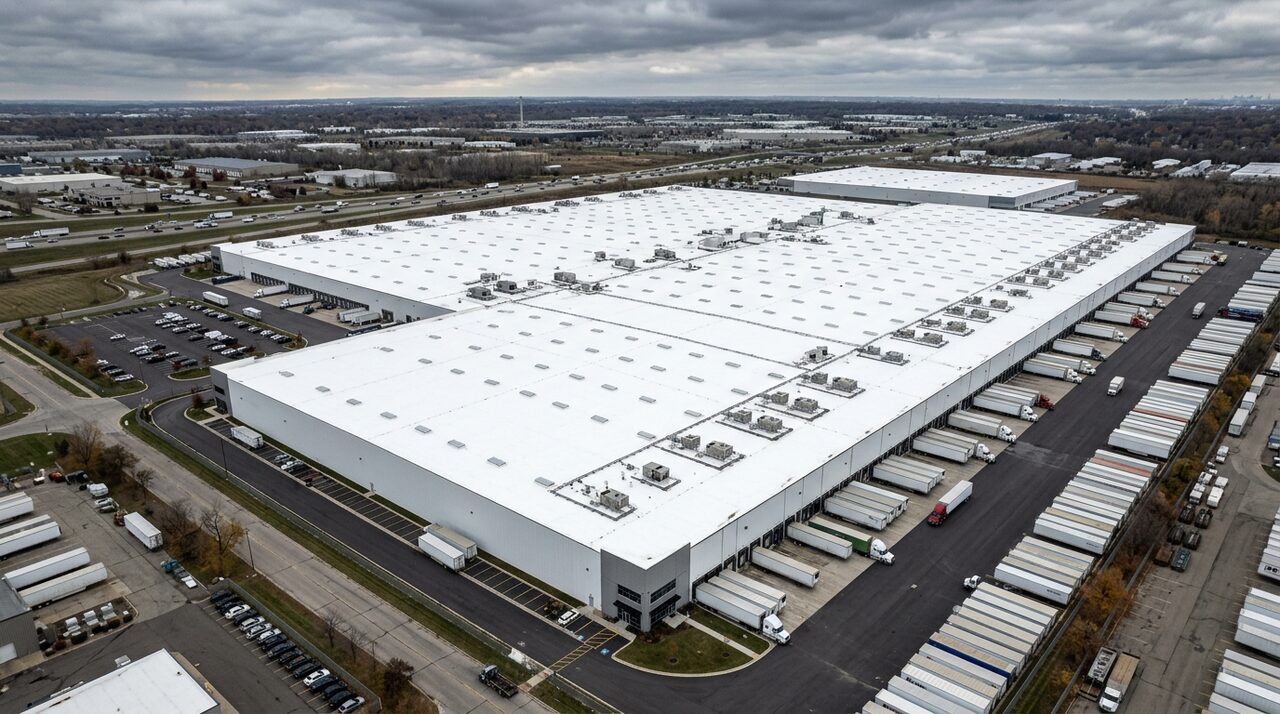
Get a practical plan for an aging roof on your Carver commercial or multifamily property. Industrial Roof Coating Pros accepts assessment requests for roof coating, restoration, and leak repair. Tell us whether you manage an apartment building, a light-commercial property, a warehouse, or an industrial facility. An assessment can help connect visible problems with the repairs and preparation a proposed system would need. Owners, property managers, investors, and roofing foremen can start with the building address, known roof material, and the issue they want the project to solve.
Roof planning around Carver's business areas
Carver's business locations call for different access plans. The City identifies a Downtown Historic District reached along Broadway. Carver Commons sits at Jonathan Carver Parkway and Highway 212, while City records place industrial development at the Levi Griffin Road and Jonathan Carver Parkway intersection. Those locations provide useful context when describing a property; the building's roof and daily use determine the work it needs.
For a downtown address, explain how someone reaches the rear of the building and whether neighboring occupants share that route. At a commercial or industrial site, identify the service entrance, loading space, and areas reserved for customers. Include an address and entrance description together, especially when the best roof access is away from the public-facing door.
- Downtown Historic District and Broadway: Identify rear access and any exterior details that need City review.
- Carver Commons at Highway 212 and Jonathan Carver Parkway: Describe customer parking and delivery access.
- Levi Griffin Road and Jonathan Carver Parkway: Confirm the industrial property's entrance and any neighboring construction activity.
Evaluate an aging TPO or EPDM roof
If your maintenance records identify TPO or EPDM, share them with the assessment request. Include the installation date if known, earlier repair scopes, and product information from any previous coating. A membrane's name alone does not establish whether a new coating will bond properly or whether the existing assembly is ready for restoration. The roof needs a condition review and a system-specific preparation plan.
Ask for clear findings at seams, perimeter flashing, drains, and equipment openings. Areas with repeated repairs deserve particular attention. Suspected moisture below the surface may require further investigation. A useful proposal explains which repairs come first and how compatibility will be checked, so the owner understands what is included before choosing a coating option.
Keep tenants involved in the schedule
An occupied building needs a communication plan alongside its roof scope. For a multifamily property, describe resident entrances, parking assignments, balconies near the work, and the route to the roof hatch. For a shop or office building, add customer hours and any shared service yard. These details help shape access arrangements and the notices a property manager may need to send.
Planning example: if a Carver building has businesses below apartments, the manager could coordinate a roof assessment with both the shop operator and the residential contact. The proposed work sequence should address each group's access needs. Discuss noise, material handling, and nearby air intakes before scheduling. Ask who will communicate daily changes and how occupants can report a concern during the project.
Give the foreman a complete repair scope
Contractors and foremen can make a coating review more useful by supplying a roof sketch, labeled photographs, and a list of known repairs. Mark changes in roof material or elevation rather than treating every section as one surface. On a metal building, note observed panel damage, prior sealants, and areas around fasteners or penetrations that need evaluation. Include equipment that another trade expects to service.
The written scope should distinguish surface preparation from repairs to the roof assembly. A coating does not repair a defective structural deck. If damage below the roof surface is suspected, arrange the appropriate review and repair before finalizing restoration. Clear responsibility for each part of the work helps the building owner, roofing crew, and other trades coordinate their decisions.
Match the project to the property's budget
A budget-conscious owner needs to see what each proposed option buys. Request separate descriptions of leak repairs, broader preparation, coating materials, access arrangements, and any work outside the base price. Ask how the contractor will document conditions discovered after work begins. Comparing those details can reveal why two estimates differ even when they cover the same approximate roof area.
For an investor assessing a purchase or a manager preparing next year's spending plan, ask whether roof sections can be prioritized by condition. Phasing may be useful when sections can be treated as workable units, but that choice needs review of drainage, transitions, and access. Keep urgent repairs visible in the budget and identify what future work would remain after each phase.
Use Carver's permit and historic resources
Carver's Building Department provides permit guidance, reviews plans, and coordinates inspections. The City's Downtown Historic District page also links to commercial preservation guidance and district information. Use these resources early if your roof project includes visible exterior changes. Describe the actual work and property location when asking which review steps apply, rather than relying on a general label such as maintenance.
Before approving an estimate, identify who will handle any required application, supporting documents, and inspection coordination. Provide photographs of affected exterior details when helpful. Keep the agreed repair and coating scope with the property records, along with the final product information. Those documents give the next manager or maintenance contractor a clearer starting point.
Request a Carver roof assessment
Use the form to describe the roof concern and your role at the Carver property. Share interior leak photos, approximate roof area, and preferred access times if available. Tell us whether you need a near-term repair discussion, a restoration estimate, or options for a planned investment. A focused request helps move the conversation toward a scope suited to the building.
Carver building and business-area resources
Frequently asked questions
Can I request a coating assessment for a Carver apartment building?
Yes. Describe the roof type and the building's occupied areas when submitting the request. Include the person who controls roof access and handles resident notices. The assessment should consider both roof condition and how materials, crews, and temporary work areas could affect residents during the proposed project.
Will a recurring ceiling leak mean the whole roof needs coating?
A recurring stain calls for investigation before choosing the size of the project. Share when it appears, nearby equipment, and earlier repair records. The findings may support a localized repair, a broader restoration scope, or further evaluation. Ask the recommendation to explain how it addresses the observed condition.
What should an investor compare besides the initial price?
Compare the areas covered, repair allowances, preparation, access costs, and responsibilities for unexpected conditions. Look at what work remains after the project and which maintenance tasks follow. For a property with several roof sections, request a clear explanation of the condition and proposed treatment of each section.
Does a Carver historic-district location change the discussion?
It makes the property's exterior details and the City's district guidance relevant to planning. Explain whether the proposal changes roof edges, visible materials, or related exterior features. Confirm the applicable review with the City using the actual scope, and include any required coordination in the proposal and schedule.