Commercial and Industrial Roof Coating in Bloomington, MN
Bloomington property managers should combine tenant leak reports with roof records before selecting restoration work. For a Penn American property, identify shared drives, delivery windows, and the roof sections included. If records show aging TPO or EPDM, confirm the existing treatments and ask how repairs and compatibility will be evaluated.


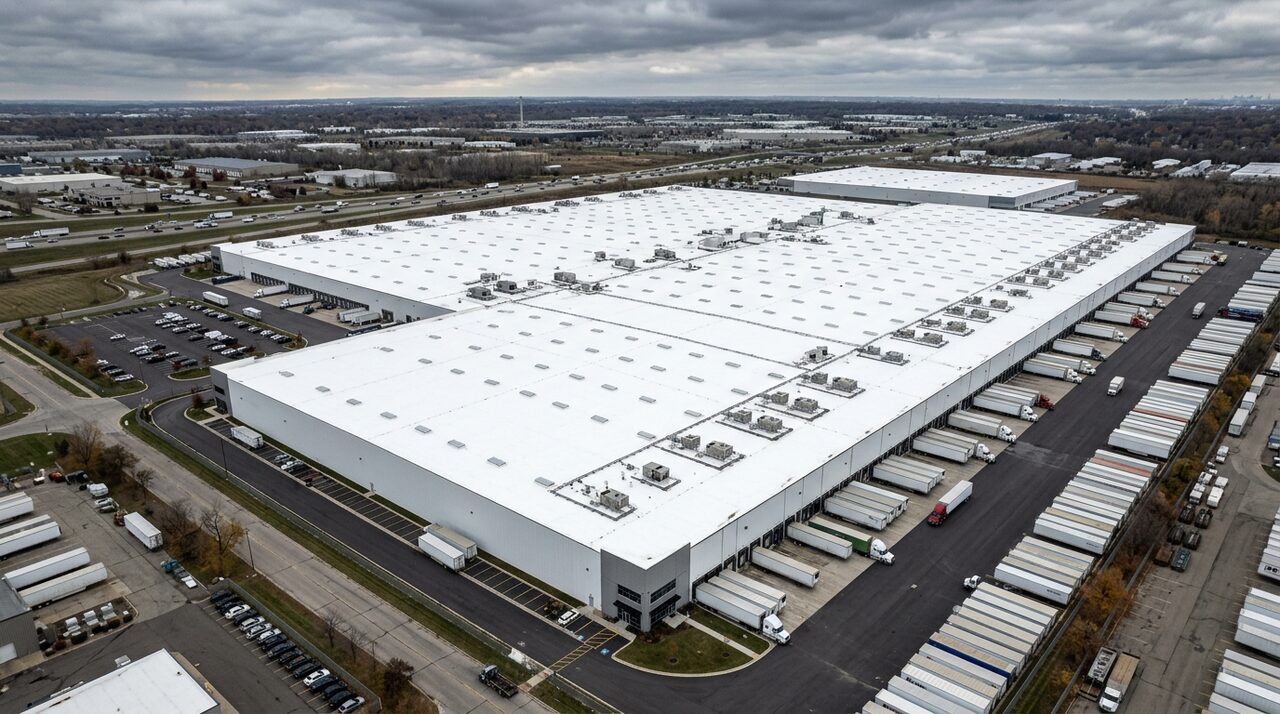
A Bloomington roof decision often involves more than one tenant, one roof section, or one budget. Industrial Roof Coating Pros welcomes assessment requests from commercial property managers, multifamily owners, industrial directors, and roofing contractors coordinating a larger scope. Describe the leaks, the existing roof, and the work happening inside your building. That information starts a review of whether repair, coating, restoration, or replacement deserves further consideration. The aim is a clear recommendation that connects the roof's condition with building access, tenant communication, and the money available for the project.
Roof planning across Bloomington's commercial districts
Bloomington identifies South Loop, Penn American, and Normandale Lake as development districts. Its planning resources also describe Lyndale Avenue as an established commercial corridor. These place names help explain where your building sits, but the assessment needs the actual entrance, loading area, and roof access point. A street address can lead visitors to the public front door when the service entrance is elsewhere.
Provide a simple site sketch showing tenant doors, reserved parking, and any shared drives. For a property in a larger commercial complex, identify which roof sections belong to your scope. Clear boundaries help a manager request comparable proposals without assuming that neighboring buildings have the same roof assembly or maintenance needs.
- South Loop: Identify the final service entrance within the district bounded by I-494, Highway 77, and the Minnesota River.
- Penn American: For properties along American Boulevard between Penn Avenue and I-35W, explain shared driveways and tenant delivery windows.
- Normandale Lake: Include occupant schedules and the contact responsible for coordinating access to each roof section.
- Lyndale Avenue: Around the City's 86th Street and 98th Street planning nodes, mark customer entrances separately from proposed staging areas.
Start with the aging TPO or EPDM roof you actually have
If your maintenance records identify TPO or EPDM, include that information with the request. Also send the installation date if known, previous repair notes, and details of any existing coating. A material name alone does not establish that another product will be suitable. Ask the assessor to explain the preparation, compatibility checks, and repairs behind any proposed restoration system.
Separate visible concerns from conditions that still need investigation. Recurring stains, loose details, and reports of standing water are useful starting points for review. Suspected moisture below the surface or deck damage should appear as separate questions in the findings. The proposal should show how unresolved conditions will be investigated and priced before the owner commits to a full coating scope.
Give tenants a workable roof project plan
A multifamily manager may need to coordinate resident notices, deliveries, and access through occupied common areas. A light-commercial manager may have several businesses with different opening hours. List those needs before scheduling the assessment. Include people who work early, receive evening shipments, or need an accessible route available throughout the day.
Ask the roofing team and the building's HVAC contact to review nearby air intakes, equipment service needs, and any proposed work around them. Confirm who will communicate changes to occupants and who can authorize adjustments onsite. Avoid promising uninterrupted use of every entrance or roof area before the work sequence is agreed. A short, specific tenant notice is more useful than a broad assurance that nobody will be affected.
Compare repair, restoration, and replacement budgets
Ask for options that respond to the same documented conditions. A repair proposal may address a limited concern, while restoration may include broader preparation and coating. Replacement can involve a different scope and should remain part of the discussion when the findings support it. Have each option identify what is included, what remains unresolved, and the decisions required from the owner.
For a property held on a tight annual budget, request priorities by roof section and urgency. Include access costs, equipment coordination, and any further investigation in the comparison. If phased work is proposed, ask how the sections connect and what follow-up will be needed. Budget planning becomes clearer when the scope explains its assumptions in ordinary language.
A Penn American property management example
Imagine a manager responsible for a commercial property near American Boulevard who receives leak reports from two tenants. This is a planning example, not a completed project. The manager can mark each report on an interior plan, record when water appeared, and collect past repair records. Each tenant should also identify sensitive stock, equipment, or rooms affected by the issue.
The roof assessment can then connect those reports with observed conditions and recommend the next investigation or work. A roofing foreman preparing a wider proposal can use the same findings to define who handles repairs, access, and finish details. Coating should enter that discussion only when the proposed system and existing roof have been reviewed together.
Use Bloomington's building permit resources
Bloomington's Building and Inspections Division provides an online application portal and instructions for permit submissions. Start with the City's guidance and describe the property and proposed work accurately. Ask which documentation and review apply to your particular repair, restoration, or replacement scope rather than treating all roofing work as the same application.
The written proposal should assign responsibility for confirming requirements, submitting documents, and coordinating any inspections. Discuss staging that may affect shared or public space as part of that review. Keep the approved scope and subsequent changes together so the property manager, roofing contractor, and owner are working from the same information.
Request a Bloomington roof assessment
Send the building address, your role, roof material if known, and the issue you want resolved. Add the number of occupied units or commercial suites when that affects coordination. An industrial director can include production restrictions; a contractor can attach the portion of the scope needing review. Explain whether you need an immediate condition assessment or a plan for a future budget cycle.
Bloomington building and business-area resources
Frequently asked questions
Can I request coating for an older Bloomington multifamily roof?
Yes. Include the roof records and occupancy details when requesting an assessment. The review should establish whether the existing assembly is a suitable candidate and what work comes first. Shared access, resident communication, and rooftop equipment can affect the project plan even when the roof material appears straightforward.
What if the property has both TPO and EPDM roof sections?
Label each section on a sketch and provide separate installation or repair records where available. Ask for findings and recommendations by section. Different materials, ages, or past treatments may call for different preparation and scope decisions, so a single building address should not lead to an automatic whole-roof recommendation.
How can a manager prepare tenants for an assessment?
Confirm access arrangements, share the visit window, and collect interior leak reports in advance. Identify a person who can open needed areas and explain restrictions. Ask tenants to keep ordinary business records and accessible interior photos ready; obtaining roof measurements should be left to the assessment team.
Can the estimate include a limited first phase?
Request that option if your budget or operating calendar requires it. Ask which concerns the first phase addresses, which remain, and how later work would connect. A staged proposal should explain its limits and follow-up needs so the owner can compare it fairly with a broader project.