Industrial Roof Coating in Eagan, MN
Eagan roof restoration should account for planned occupancy and rooftop equipment changes before a work sequence is chosen. For a Central Commons property preparing for new tenants, combine the roof findings with the proposed mechanical layout. Define repair responsibilities, equipment access, and move-in constraints before comparing suitable restoration and replacement scopes.


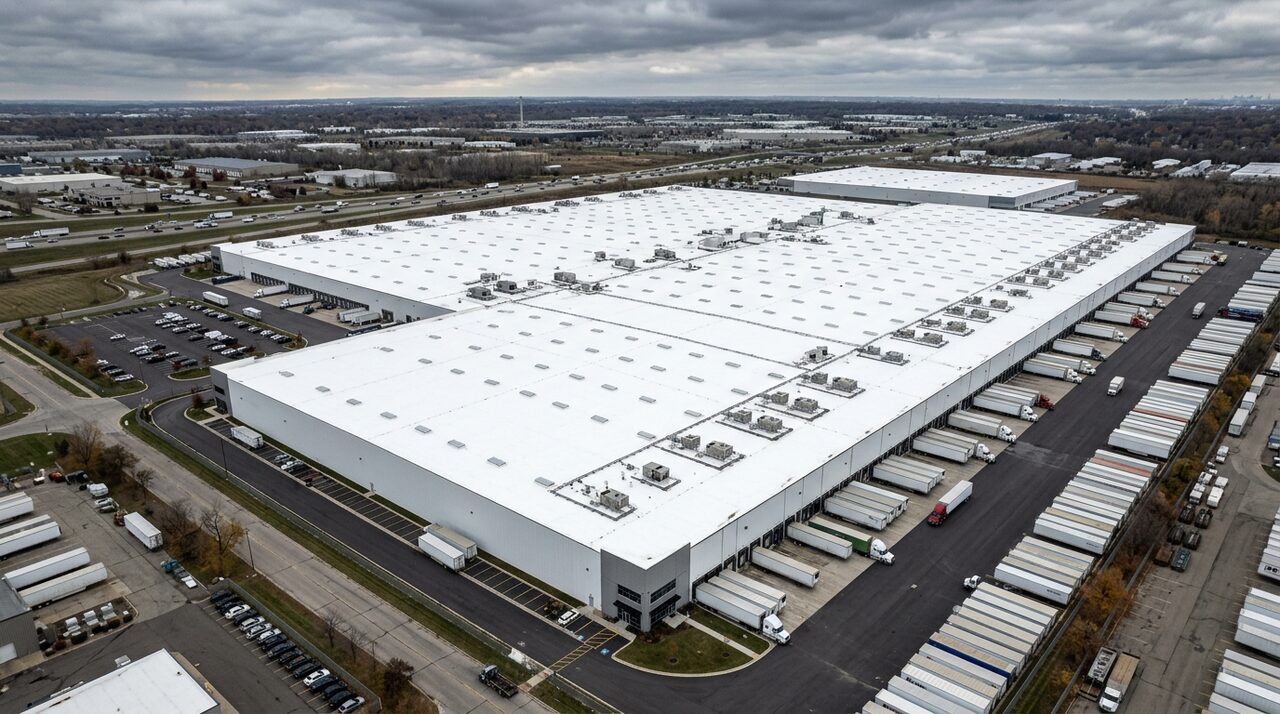
An Eagan roof decision should account for what is happening inside the building and what may change next. Industrial Roof Coating Pros accepts assessment requests for commercial, multifamily, and industrial properties considering coating, repairs, or replacement. Tell us about the existing roof, the spaces below it, and any planned tenant or equipment changes. Owners and contractors need a recommendation that explains whether restoration suits the assembly, which repairs come first, and how the proposed work fits the facility's operating schedule.
Local business areas that shape the planning questions
Eagan's municipal development information identifies warehouse and distribution projects along Opperman Drive and State Highway 149, as well as a data center project on Argenta Trail. The City's Central Commons planning area surrounds Yankee Doodle Road, Pilot Knob Road, and I-35E. Those settings suggest useful questions about freight access, equipment, and shared space when assessing an existing property.
Use the actual building address and explain its present use. A nearby development does not establish the condition or age of your roof. If the property has been divided, expanded, or prepared for a different tenant, share the current floor plan so the roof review follows the building as it operates today.
- Opperman Drive and State Highway 149: At a warehouse property, discuss delivery peaks, secured yards, and roof access that could conflict with distribution activity.
- Central Commons at Yankee Doodle and Pilot Knob roads: If a building is being reused or prepared for new tenants, coordinate roof decisions with the planned occupancy and any changes to rooftop equipment.
- Argenta Trail: For a facility with sensitive equipment or continuous operations, identify approved access procedures and the people authorized to coordinate service windows.
Connect the roof assessment with changes inside the building
A roof can pass through several leases while its records remain in separate files. Gather information from the owner, maintenance staff, and any contractor who recently worked above the ceiling or on rooftop equipment. Identify additions, abandoned penetrations, and areas with different membranes. Ask the assessor to organize findings by roof section rather than treating the property as one uniform surface.
For a building being prepared for a new tenant, discuss expected equipment changes before settling on coating. New curbs, removed units, or revised service routes can affect the sequence. Aligning that work early helps the proposal account for the intended use instead of leaving the next contractor to alter a newly finished area.
Investigate water reports before approving a broad treatment
For an aging TPO or EPDM roof, the source of a water report needs attention before a material is selected. Record whether the problem follows rain, equipment operation, or another event. Ask the appropriate trades to review roof details and equipment-related possibilities. Interior observations should guide the investigation without being treated as proof of a single cause.
The assessor should explain suspected moisture, the limits of the inspection, and any additional investigation recommended. Request the proposed repairs and compatibility or adhesion checks in writing. A restoration scope needs a suitable existing assembly and an understood preparation process. Unresolved damage or uncertainty should be addressed before the owner commits to a whole-roof application.
Build an occupied-property communication plan
For apartment managers, start with resident reporting and entry arrangements. Keep photographs and dates together, and identify who can authorize access to affected spaces. For office or light commercial tenants, ask about opening hours, appointment schedules, and use of shared entrances. Each group may experience the project differently even when it shares the same roof.
Agree on how notices will be delivered and how changes will reach people who work different shifts. The plan should address equipment staging, temporary access restrictions, and the person to contact about an unexpected issue. Discuss these details while the scope is being developed so they can be priced and scheduled realistically.
Coordinate foremen, equipment trades, and operations staff
A foreman preparing roof work at an Eagan industrial facility needs more than a start date. Ask the facility team to identify rooftop equipment, service clearances, site orientation requirements, and tasks that need separate approval. Where operations run continuously, establish who can authorize any interruption and how much notice is needed.
The written work plan should show the sequence between roofing and equipment trades. Clarify responsibility for disconnecting or moving equipment, repairing affected details, and checking the finished area. Ask for documentation of conditions that change during preparation. This gives the operations director a way to evaluate the proposed sequence and the contractor a clear route for raising questions.
Put restoration and replacement into a useful budget comparison
Investors and owners should compare complete options for the same building needs. Ask the proposal to distinguish repair work from coating, and to explain the basis for any replacement recommendation. Include access, equipment coordination, removal where needed, and maintenance requirements. Review how hidden conditions would be priced and approved before relying on a total.
For a property with future tenant improvements, consider whether the roof plan fits that investment schedule. A lower initial price is useful only when the scope resolves the identified needs. Request product terms and any warranty offer for review, with exclusions made clear. Your tax adviser can determine how the documented work should be treated for your situation.
An Eagan campus planning scenario
Imagine an office property in the Central Commons area preparing space for a new tenant. This is a hypothetical example. The owner has an older EPDM roof, scattered patch records, and planned mechanical changes. Before requesting a coating price alone, the owner could combine the roof assessment with the equipment layout and intended occupancy schedule.
The resulting comparison might separate local repairs, suitable restoration areas, and sections needing another approach. The tenant's move-in plan could then be reviewed against the work sequence. No outcome is assumed: the benefit of this planning approach is a decision tied to the actual assembly and the next phase of the building's use.
Use Eagan's official resources before work is scheduled
Eagan's Building Inspections and Permits page links its application process, construction handouts, and permit search. Describe the actual scope when asking which requirements apply. Confirm responsibility for any applications, review documents, and inspections, including questions raised by related equipment or occupancy work.
To begin an assessment request, provide the address, roof type if known, and the reason for the review. Explain upcoming tenant changes, operating restrictions, and whether a contractor already has a draft scope. Existing reports and safely obtained interior photographs can help organize the first discussion.
Eagan building and business-area resources
Roof and property planning references
Frequently asked questions
Should coating wait until planned equipment changes are settled?
Discuss the equipment plan during the roof assessment. Work that adds, removes, or changes rooftop units may affect details and sequencing. Ask the roofing and equipment teams to agree on responsibilities and the final layout before selecting a schedule. The right sequence depends on the proposed work and roof findings.
What if a leak could be related to mechanical equipment?
Record when the water appears and whether it coincides with rain or equipment use. Share that information with the roof assessor and the relevant equipment contractor. Request a documented investigation before approving a broad treatment so the proposed repairs address the observed problem and any remaining uncertainty.
Can an Eagan facility that operates all day request an assessment?
Yes. Describe shift patterns, access controls, sensitive spaces, and who can approve service windows. The assessment and proposed work should be planned around those requirements. Any interruption or temporary restriction needs specific agreement; continuous operation cannot be assumed from the size or type of the roof project.
What should a buyer review before budgeting for restoration?
Request available installation and repair records, roof-section findings, moisture concerns, and the preparation included in the proposal. Check how upcoming lease or equipment changes affect the scope. Compare a supported restoration option with the relevant replacement alternative, including exclusions, maintenance needs, and responsibility for unexpected conditions.